

 Emma James
Few jobs in catering equipment service lean on paperwork as heavily as gas safety. A kitchen manager wants the appliances to be safe, and also wants to be able to show, months down the line, that somebody checked them and what that person found. That makes the inspection record the lasting product of a gas safety visit, and it deserves as much care as the visit itself. This article covers how often commercial kitchen gas appliances should be inspected, what a good record holds, and how digital forms keep every record accurate and easy to find.
How often should commercial kitchen gas appliances be inspected?
At least once a year. HSE catering guidance describes annual inspection as a reasonable minimum for gas appliances in catering premises, with manufacturers' recommendations and any repairs needed shaping the schedule from there. The same guidance says the work should be carried out by a competent, Gas Safe registered engineer.
Suspected faults sit outside that cycle. Local authority advice to caterers is that nobody should wait for the next routine inspection when a fault is identified or suspected, so a sound record system needs room for call-outs as well as the annual visit.
What is a commercial gas safety certificate CP42?
The CP42 is the form many engineers use to evidence an inspection of commercial catering appliances, and customers often ask for it by name. HSE guidance sets the expectation of a competent annual inspection, and the CP42 is the record that shows it took place. A complete record holds:
- Site and appliance details, with each appliance identified individually
- The engineer's name and Gas Safe registration number
- The checks made and the readings taken on each appliance
- Any defects found, and the action taken or recommended
- The inspection date and the date the next one falls due
- The appliance chosen from the site's asset register instead of retyped
- A result for each check, with readings entered against the right appliance
- Defects logged with photos and a recommended action
- The engineer's details and a customer signature, time-stamped on site
Competence is worth capturing too. Council guidance for food businesses points out that the back of a Gas Safe ID card shows whether an engineer holds the commercial catering qualification, so recording it ties the right engineer to the right job.
Why do paper gas safety records fall out of date?
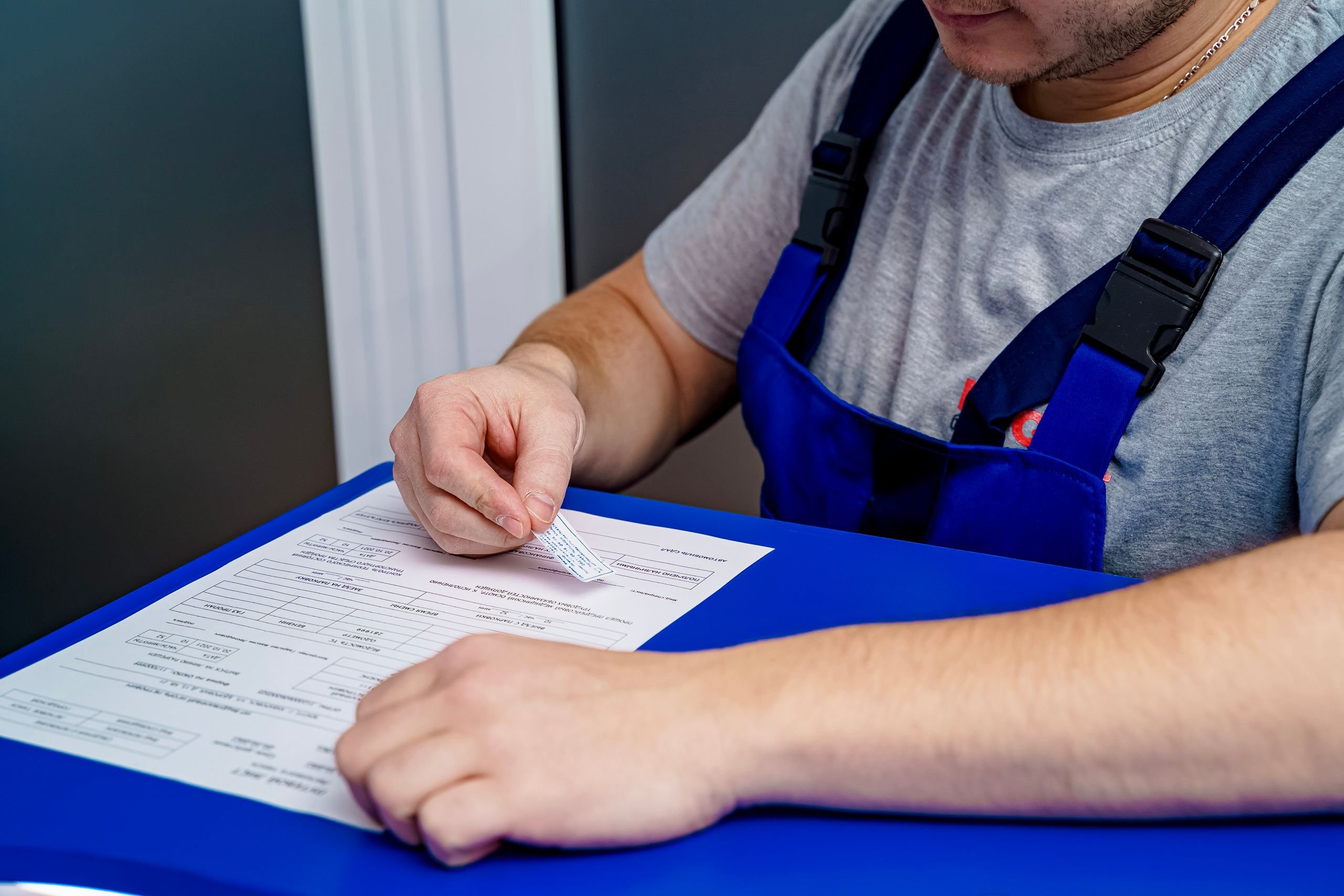
Whilst a paper certificate does its job on the day, trouble often starts afterwards. Details get typed up back at the depot, the next due date goes into someone's diary, and a defect noted on page two waits for somebody to spot it. Given that a customer can have several sites with a dozen appliances at each then finding last year's record can take longer than the inspection did.
Gas safety records for catering engineers work best when they are captured at the appliance, filed against that appliance, and linked to the job that follows. That is the territory a field service management platform is built for.
How does a digital CP42 gas safety form help?
A digital CP42 gas safety form moves the record-keeping to the point of work. In Solarvista, a form like this can be built around your own process, so a job cannot be closed until the essentials are complete:
When the engineer submits the form, the appliance history updates straight away and the certificate can reach the customer without a trip back to the office. The next inspection date can then generate its own job, so annual visits stop depending on anyone's memory. A defect flagged on the form can raise a follow-up job in the same way, which keeps remedial work from slipping between inspections.
How should commercial kitchen gas interlock testing be recorded?
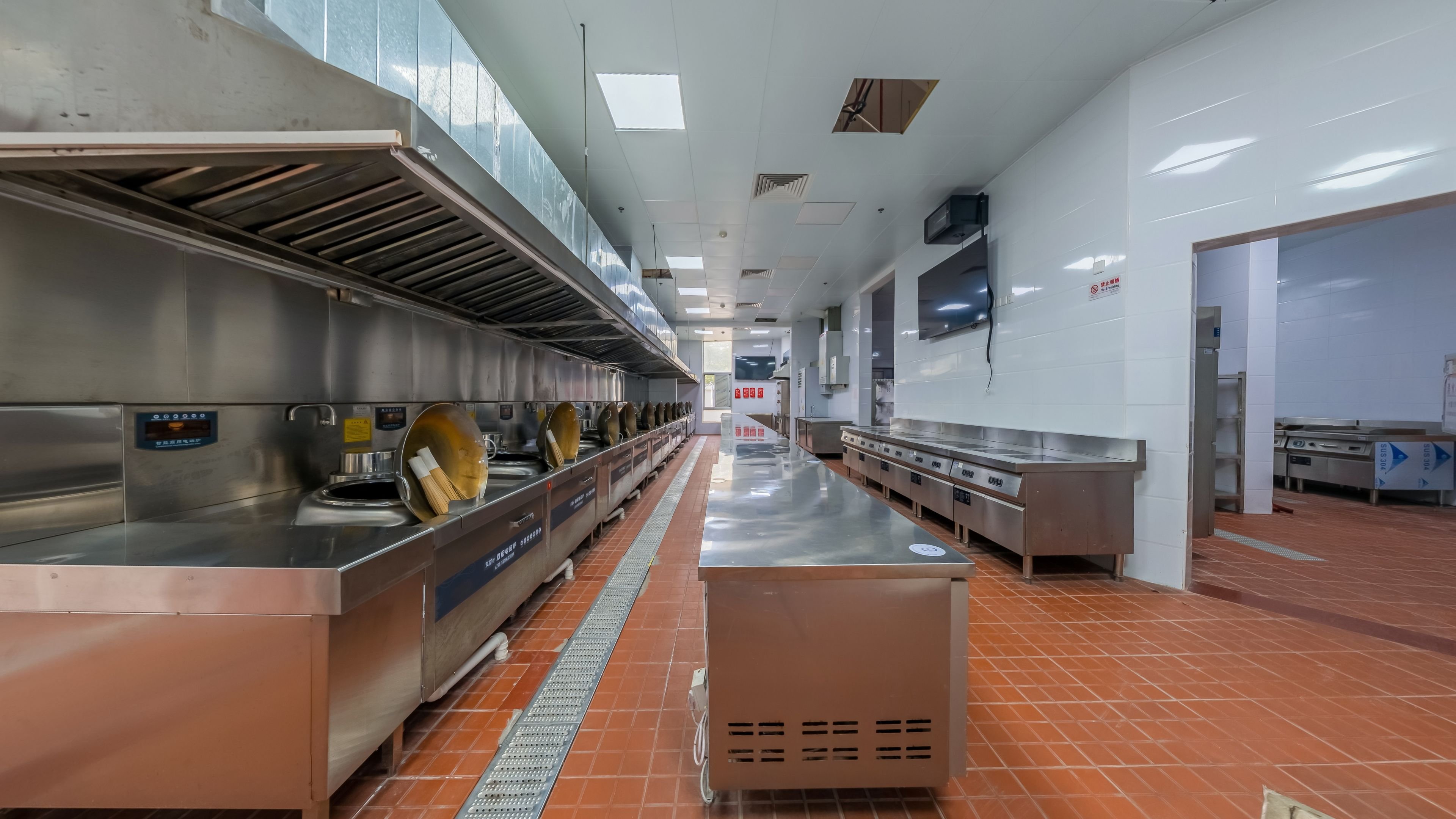
An interlock links the ventilation to the gas supply so that a failure of extraction shuts off the gas. HSE guidance says ventilation should be interlocked with gas supplies in this way, and that manual bypasses to these systems are not permitted. It also describes British Standards, BS 6173 among them, as agreed good practice, which makes that standard the benchmark engineers work to on catering installations.
Whether an interlock is needed depends on the installation, so the form should ask first. With configurable logic, answering "interlock fitted" can reveal a dedicated test section covering the type of system, the test carried out, the result, and whether a bypass was found. A fail or a bypass can alert the office and raise the remedial job on the spot, which means the record and the response arrive together.
What should catering gas safety inspection software do?
The best test of catering gas safety inspection software is retrieval. Can someone find an appliance's last inspection in a few taps, see which defects are still open, and know which sites are due next month? If so, the records are doing their job. If they live in carbon copies and calendar reminders, the answer will depend on who is in the office that day.
The quickest way to judge a gas safety form is to see your own process on screen. Book a demo of Solarvista, our unique 2-in-1 field service management system and no-code application platform, and we will walk through how your CP42 inspections could be set up from the first appliance to the next due date.