

 Emma James

Commercial kitchens are demanding places to keep running. A single site might hold a combination oven from one manufacturer, a fryer from another, a leased dishwasher, and a walk-in fridge that has outlasted several head chefs. Service firms looking after dozens or hundreds of those kitchens deal with a mix of equipment, contracts, and deadlines that most off-the-shelf scheduling tools were never designed to handle. This article looks at where generic tools tend to come unstuck, and what field service software for catering engineers needs to do instead.
What should catering equipment service software do that generic scheduling tools cannot?
It should adapt to the job rather than making every job look the same. A generic scheduling tool books an engineer into a time slot. Catering work needs software that knows what equipment is on site and who owns it, which contract it falls under and how quickly that contract says you must respond, and which checks and forms apply to that particular appliance. It should also let you change all of this yourself, because your mix of customers, brands, and agreements rarely stands still.
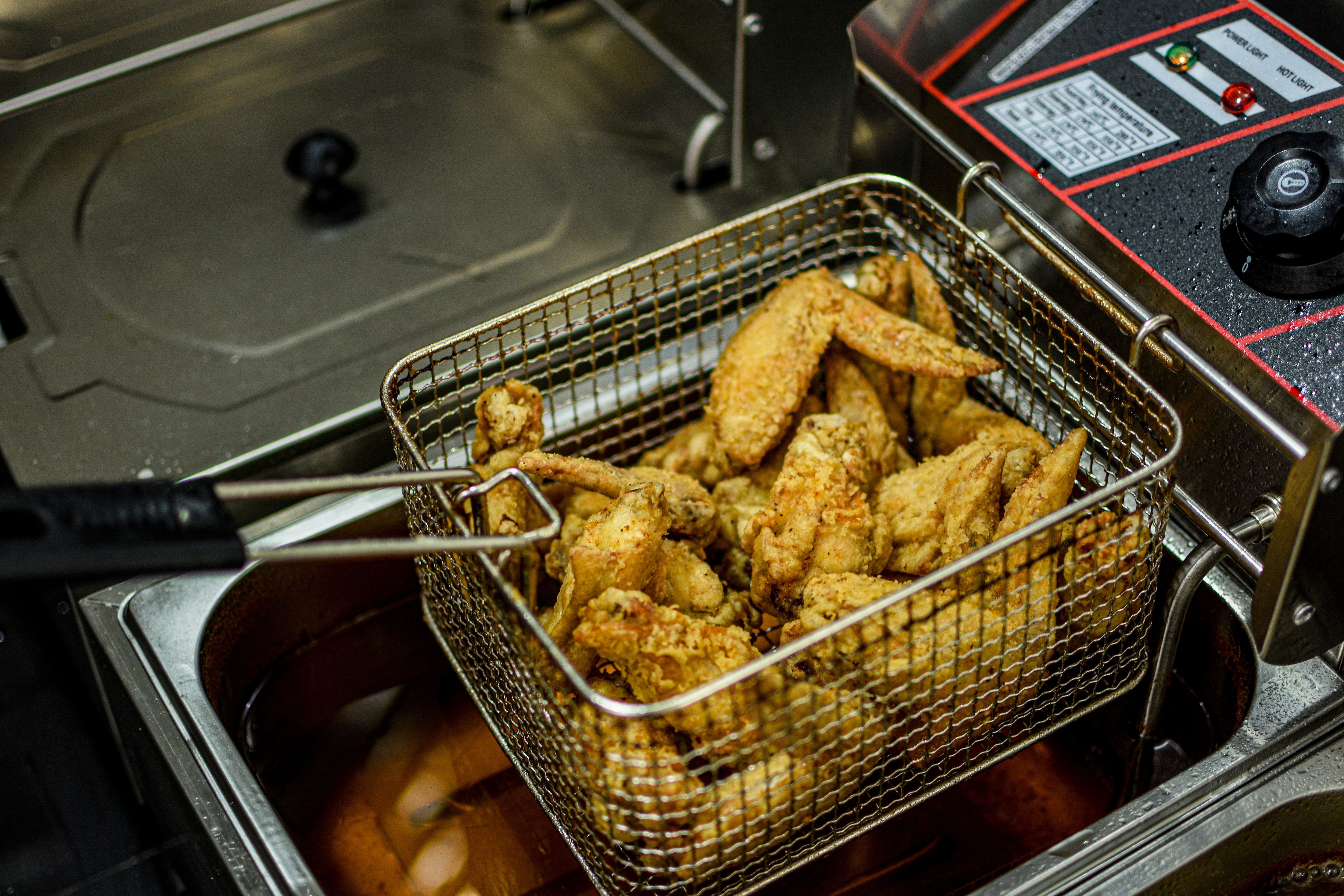
Multi-brand catering equipment servicing starts with the asset record
The occupational standard for commercial catering equipment technicians describes a role covering a wide range of gas and electrical equipment, from combination ovens and fryers to cooking ranges and dishwashers, at sites as varied as pubs, schools, hospitals, and prisons. Very few service firms deal with a single manufacturer.
For multi-brand catering equipment servicing, that variety needs to live on the asset record rather than in an engineer's memory. An FSM platform can hold each appliance's make, model, serial number, fuel type, warranty status, and service history against the site, so the engineer knows before setting off whether they're facing a gas range or an electric combi, and whether the parts on the van will fit. Tag assets with the skills needed to work on them, and the scheduler can see straight away who is qualified, including where gas work must be carried out by a Gas Safe registered engineer.
Varied contracts mean different rules for every job
Catering service firms rarely work to one type of agreement. A restaurant group might hold a full PPM contract with a four-hour response, a school kitchen might sit under a facilities management contract with its own sign-off process, and an independent café might simply pay per callout. HSE's guidance on catering maintenance notes that where premises and equipment don't belong to the caterer, such as contract catering in a school, both parties should agree clearly who is responsible for maintenance.
Good catering equipment job management software lets those agreements shape each job automatically. When a callout is logged, the platform can check the contract, apply the right response time, flag whether the work is covered or chargeable, and send the paperwork to whoever needs it, whether that's the operator, the FM company, or the landlord. Generic tools leave that cross-referencing to the office, one phone call at a time.
"Lunch service starts in an hour": scheduling around kitchen urgency
Most field service sectors have urgent jobs, but in catering the urgent ones come with a booking sheet attached. A failed fryer or combi oven during service hits covers and takings immediately, and refrigeration faults bring food safety into play, as chilled food must be kept at 8°C or below in England, Wales, and Northern Ireland.
Commercial kitchen engineer scheduling software should reflect that. Assets can carry a criticality rating, so a walk-in fridge outranks a hot cupboard, and the planning board can show which engineer is nearest, has the right skills, and has the likely parts on board. Service windows help too, so routine visits are booked around each kitchen's busiest hours rather than through them.
Why configurable service forms matter for catering equipment
A service sheet for a gas range has very little in common with one for a glasswasher or an undercounter fridge. CESA and BESA worked together to create an independently verified standard for the planned maintenance of catering equipment, and many service firms add customer-specific requirements on top of it. HSE also identifies poor standards of maintenance as a major underlying cause of accidents in catering, which makes a complete record of every visit worth having.
Configurable service forms for catering equipment let each appliance type carry its own checklist, readings, photos, and sign-off. Mandatory fields stop a job being closed until everything is captured, and the finished report updates the asset history so the next engineer arrives knowing exactly what was done last time.
No-code field service software for catering equipment firms
Catering service firms change shape often. A new contract arrives with its own response times, a new equipment range is added, or a customer asks for reports in their own format. No-code field service software lets catering equipment firms add fields, build forms, and adjust workflows themselves, without waiting for a slot on someone else's development roadmap.
Solarvista combines a field service management system with a no-code application platform, so your scheduling, asset records, and contracts sit right alongside the tools to reshape them.
Show us the job your current system struggles with...
Most catering service firms can name the part of their process that their software keeps getting wrong. It might be the mixed-brand estate, the FM contract with its own paperwork, or the breakdown that lands just before lunchtime. Bring that example to a 60-minute demo, and we'll walk you through how it would run on Solarvista's unique 2-in-1 field service management system and no-code application platform.